How Canadians Are Using Bitcoin and Crypto Payments While Traveling: A 2026 Guide
How Canadians Are Using Bitcoin and Crypto Payments While Traveling: A 2026 Guide
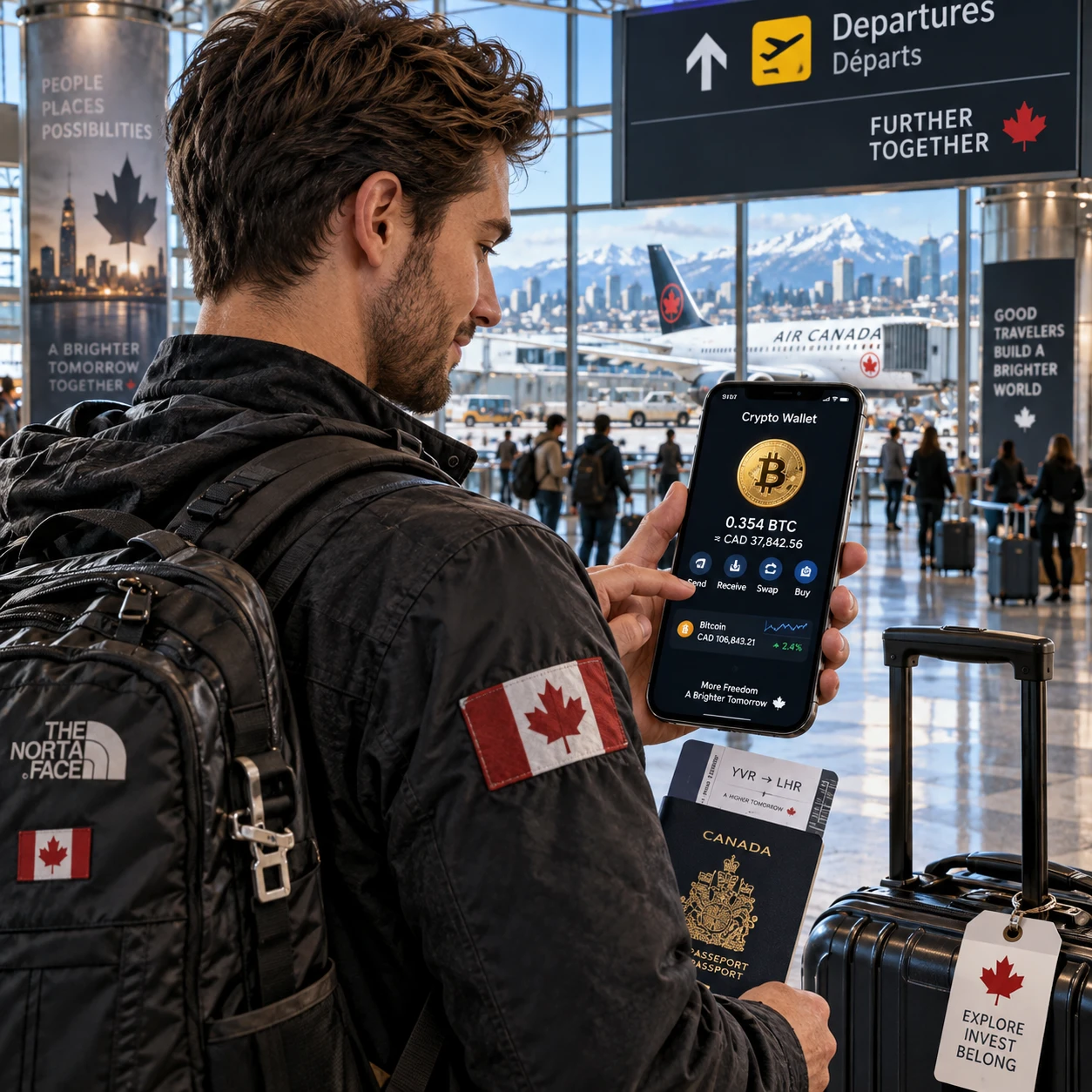
I've spent the last few months talking to fellow Canadian travelers at hostels, airport lounges, and digital nomad meetups scattered across three continents, and one thing keeps coming up over and over. Bitcoin isn't just an investment anymore. It's become a genuine travel tool, and honestly, that still catches me off guard a little.
In 2026, more Canadians than ever are packing a crypto wallet right alongside their passport. Makes sense once you've seen it in action — I didn't quite believe it either, until I watched a guy pay for a tuk-tuk ride in Bangkok with a quick QR code scan.
The appeal, when you break it down, is pretty simple. Nobody enjoys watching their Canadian dollars shrink after a bank slaps on a 2.5% foreign transaction fee. Nobody enjoys standing in some sketchy currency exchange booth at 11 PM, either, wondering if they're getting ripped off. Bitcoin and stablecoins sidestep a lot of that friction — not all of it, but a lot. They also open doors in places where traditional banking infrastructure is thin, patchy, or just plain unreliable.
In this guide, I'm walking through how Canadians are actually using crypto on the road right now. Where you can spend it. How to stay entertained safely with platforms like a trustworthy bitcoin casino during downtime. And the money management habits that separate smooth trips from the stressful, headache-filled ones.
Why Canadian Travelers Are Turning to Crypto in 2026
Inflation worries haven't fully gone away. A lot of Canadians I know still remember the sticker shock of 2023 and 2024 — that lingering unease pushed plenty of them toward holding at least part of their travel funds in Bitcoin or stablecoins like USDC, which don't bounce around with every Bank of Canada announcement.
Merchant acceptance has quietly exploded too. Three years ago, finding a hotel that took crypto felt like some kind of novelty. Now it's showing up on booking platforms as a standard payment option, sitting right next to Visa and Mastercard like it's nothing special. Wallet apps have gotten simpler as well. Scanning a QR code to pay for dinner in Lisbon takes less time than fumbling with a chip card reader, and I say that as someone who's fumbled with plenty of chip card readers.
The Shift from Cash and Cards to Digital Wallets
Most seasoned Canadian travelers aren't ditching their debit cards entirely. They're diversifying, which honestly is the smarter move anyway. I usually carry a travel-friendly debit card for ATM withdrawals, a credit card for the points, and a crypto wallet for flexibility and backup.
If my bank card gets frozen for 'suspicious activity' — and that happens more often than it should when you're abroad — my crypto wallet is still right there. Accessible from my phone. No branch visit required, no awkward phone call to a call center sitting in a different time zone.
This layered approach also helps with lower international transfer fees. Sending yourself emergency funds via a stablecoin transfer can cost pennies, literally pennies, compared to a wire transfer that eats $40-50 and takes three business days to clear.
Where Canadians Can Actually Spend Bitcoin Abroad
The real-world use cases have matured a lot since I first started paying attention to this. Boutique hotels, independent tour operators, car rental agencies, and even some restaurants now accept Bitcoin or Lightning Network payments directly, no middleman required.
Online marketplaces for booking excursions, SIM cards, and local experiences increasingly list crypto as a checkout option too. Handy, if you're trying to avoid currency conversion altogether — and really, who isn't?
Crypto-Friendly Destinations for Canadian Travelers
Some destinations have leaned into this harder than others. Portugal remains a favorite among Canadian digital nomads, thanks to its crypto-friendly tax environment and a growing network of merchants in Lisbon and Porto.
El Salvador, having adopted Bitcoin as legal tender years ago, still offers surprisingly solid infrastructure for tourists who want to pay directly in BTC. Parts of Southeast Asia — Thailand and Vietnam especially — have seen a surge of crypto-accepting hostels, dive shops, and co-working spaces catering to the backpacker and remote-work crowd.
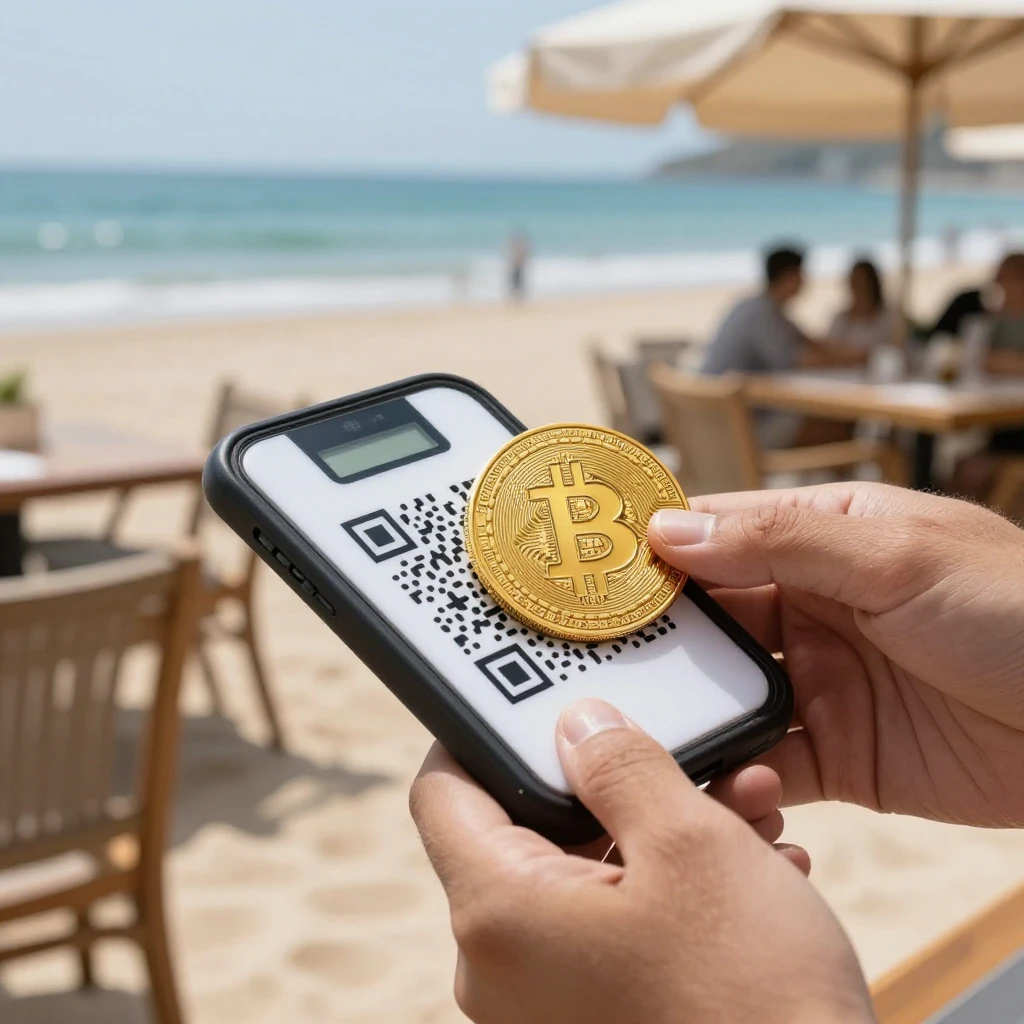
Digital Entertainment While Traveling: Finding Safe Bitcoin Casinos
After a long day of sightseeing, plenty of travelers like to unwind with some online entertainment, and crypto gaming platforms have become a popular option for Canadians abroad. The appeal is obvious, really — fast deposits, no need to involve a traditional bank, and the ability to play from anywhere with decent Wi-Fi.
That said, this is one area where doing your homework actually matters. Not every platform out there is legitimate, and the last thing you want on vacation is a payout dispute with some shady operator who disappears the moment you ask about your withdrawal. Before engaging in any online gaming during downtime, I always recommend researching trusted options like bitcoin casino reviews and guides to confirm you're dealing with a licensed, secure platform — one that has transparent payout systems and a solid reputation among real players, not just marketing copy.
What Makes a Bitcoin Casino Trustworthy
A few things I always check before signing up for anything:
- Licensing — the platform should display a valid gaming license from a recognized jurisdiction, not just a vague claim buried somewhere in the footer.
- Provably fair games — look for platforms that let you verify game outcomes using cryptographic proof, not just a 'trust us' statement.
- Withdrawal speed — reputable sites process crypto withdrawals quickly, often within minutes to a few hours.
- Customer support — responsive, multilingual support matters a lot when you're sitting in a different time zone and something's gone sideways.
- Encryption standards — SSL encryption and secure wallet integrations should be non-negotiable, full stop.
Smart Money Management Tips for Crypto Travelers
Budgeting with crypto abroad takes a slightly different mindset than swiping a credit card without thinking twice. I keep the bulk of my funds in a hardware wallet and only move smaller amounts into a mobile wallet for daily spending. That way, if my phone gets lost or stolen, the damage is limited — annoying, sure, but not catastrophic.
Setting daily or weekly spending limits helps too, especially since crypto prices can swing within hours. I check exchange rates each morning before making bigger purchases. And I'm cautious — maybe overly cautious — about exchanging crypto for local cash through unofficial 'crypto ATMs' that pop up in tourist zones. Some charge brutal hidden fees aimed squarely at travelers who don't know any better.
Security Best Practices for Using Crypto Abroad
Public Wi-Fi is probably the biggest risk factor for crypto travelers, and I treat hotel and café networks as hostile by default. A VPN is non-negotiable for me now. I never access my wallet on an open network without one — not once, not even for thirty seconds.
Two-factor authentication should be enabled on every exchange and wallet app you use. No exceptions, none. I also avoid making crypto transactions in crowded public spaces where someone could glance at my screen, and I never, ever store my recovery phrase digitally. It stays written down, split across two secure locations, far from my actual devices.
Common Mistakes Canadian Travelers Make with Crypto
I've made a few of these myself, so take it from experience. Ignoring network transaction fees is a classic one — sending Bitcoin on-chain for a $5 coffee can cost more in fees than the coffee itself. Stick to Lightning Network or stablecoin transfers for small purchases; your wallet balance will thank you.
Using unverified or sketchy exchanges to convert crypto to local currency is another trap, especially in unfamiliar cities where you're already a little disoriented and more likely to make a rushed call.
Phishing scams targeting tourists have also gotten more sophisticated, often disguised as 'exclusive crypto deals' from local vendors who seem friendly enough until they're not. And don't forget: the CRA still expects you to report crypto transactions, including spending abroad, since disposing of crypto for goods or services counts as a taxable event in Canada. Keep records of your transactions while traveling. Your future tax return will thank you — it's worth the extra five minutes.
Bitcoin and crypto payments have genuinely changed how Canadians travel in 2026, offering more freedom, fewer fees, and new ways to manage money on the road. Whether you're booking a stay in Lisbon, paying for a tour in Bangkok, or settling in for some evening entertainment through a vetted bitcoin casino, the common thread is due diligence. Do your research. Secure your wallet. Keep good records. And crypto can make your travels smoother rather than more complicated — once you've got the basics down, it mostly just works.