Smart Strategies to Pay Off Credit Card Debt in Canada: A 2026 Guide to Becoming Debt-Free Faster
Smart Strategies to Pay Off Credit Card Debt in Canada: A 2026 Guide to Becoming Debt-Free Faster

I've talked to enough friends and family members about their finances to know one thing for certain: credit card debt has a way of sneaking up on you. One month you're covering a car repair or a holiday gift splurge, and a year later you're staring at a balance that seems to have grown a mind of its own. If that sounds familiar, you're not alone. With interest rates still elevated heading into 2026 and grocery bills eating into everyone's budget, I wanted to put together a practical, no-nonsense guide for tackling credit card debt the smart way here in Canada.
Understanding the True Cost of Credit Card Debt in Canada
Most Canadian credit cards charge somewhere between 19.99% and 24.99% annual interest, and that's before you factor in cash advance rates, which can climb even higher. What makes this debt particularly brutal is compounding — you're not just paying interest on your original purchase, you're paying interest on the interest that's already accumulated. Combine that with rising living costs, and it's easy to see why so many households are carrying balances that feel impossible to shrink.
This is exactly why having a strategy matters more in 2026 than ever before. Without one, you're essentially treading water while the bank collects steady profit off your balance.
How Interest Compounds Faster Than You Think
Let's say you owe $5,000 on a card with a 21.99% interest rate and you only make the minimum payment each month. Depending on your issuer's minimum payment formula, it could take you over 15 years to pay that off — and you might end up paying more than $5,000 in interest alone on top of your original balance. That's the snowball effect in action: small unpaid amounts pile up month after month until the debt outlasts the original purchase by a decade or more.
Assess Your Financial Situation Before Making a Plan
Before you can fix a problem, you need to see it clearly. I always recommend starting with a simple spreadsheet or even a notepad list of every card you carry — the balance, the interest rate, the minimum payment, and the due date. It sounds tedious, but this single step gives you the clarity needed to prioritize your efforts instead of paying blindly.
Once you have that list, look at your monthly cash flow. How much can you realistically put toward debt after covering rent, groceries, and other essentials? Be honest here — an unrealistic plan is a plan that fails within two months.
Calculating Your Debt-to-Income Ratio
Your debt-to-income ratio (DTI) is simply your total monthly debt payments divided by your gross monthly income, expressed as a percentage. Canadian lenders often use this figure to determine how much borrowing capacity you have, but it's just as useful for you personally. If your DTI is creeping above 40%, it's a sign that your current debt load is likely stretching your budget thin, and repayment should become a top priority rather than an afterthought.
Proven Repayment Strategies to Pay Off Credit Card Debt Faster
Once you know exactly what you owe, it's time to choose a repayment method that fits your personality and your numbers. There isn't a single 'best' approach — the right one is the one you'll actually stick with. For a deeper walkthrough of structured techniques, I found this guide on how to pay off credit card debt particularly useful for breaking things down step by step.
Debt Snowball vs. Debt Avalanche — Which Works Best for You?
The Debt Snowball method has you pay off your smallest balance first while making minimum payments on everything else. Once that smallest debt is gone, you roll that payment into the next-smallest balance, building momentum and motivation along the way. It's less about math and more about psychology — those quick wins keep you engaged.
The Debt Avalanche method, on the other hand, targets the card with the highest interest rate first, regardless of balance size. Mathematically, this saves you the most money over time since you're minimizing the interest that compounds against you.
- Choose Snowball if: you need motivation and quick wins to stay on track.
- Choose Avalanche if: you're disciplined and want to minimize total interest paid.
Balance Transfers and Consolidation Loans in Canada
Many Canadian banks and credit unions offer promotional balance transfer cards with 0% APR for a limited period, often between 6 and 12 months. Transferring a high-interest balance to one of these cards can give you breathing room to pay down principal without interest working against you — just be mindful of transfer fees and what the rate jumps to once the promo period ends.
Personal consolidation loans are another popular route, particularly through credit unions, which often offer more flexible terms than traditional banks. These loans combine multiple card balances into one fixed monthly payment, usually at a much lower rate than your original cards, making your debt easier to track and budget for.
Building Habits That Prevent Future Debt Accumulation
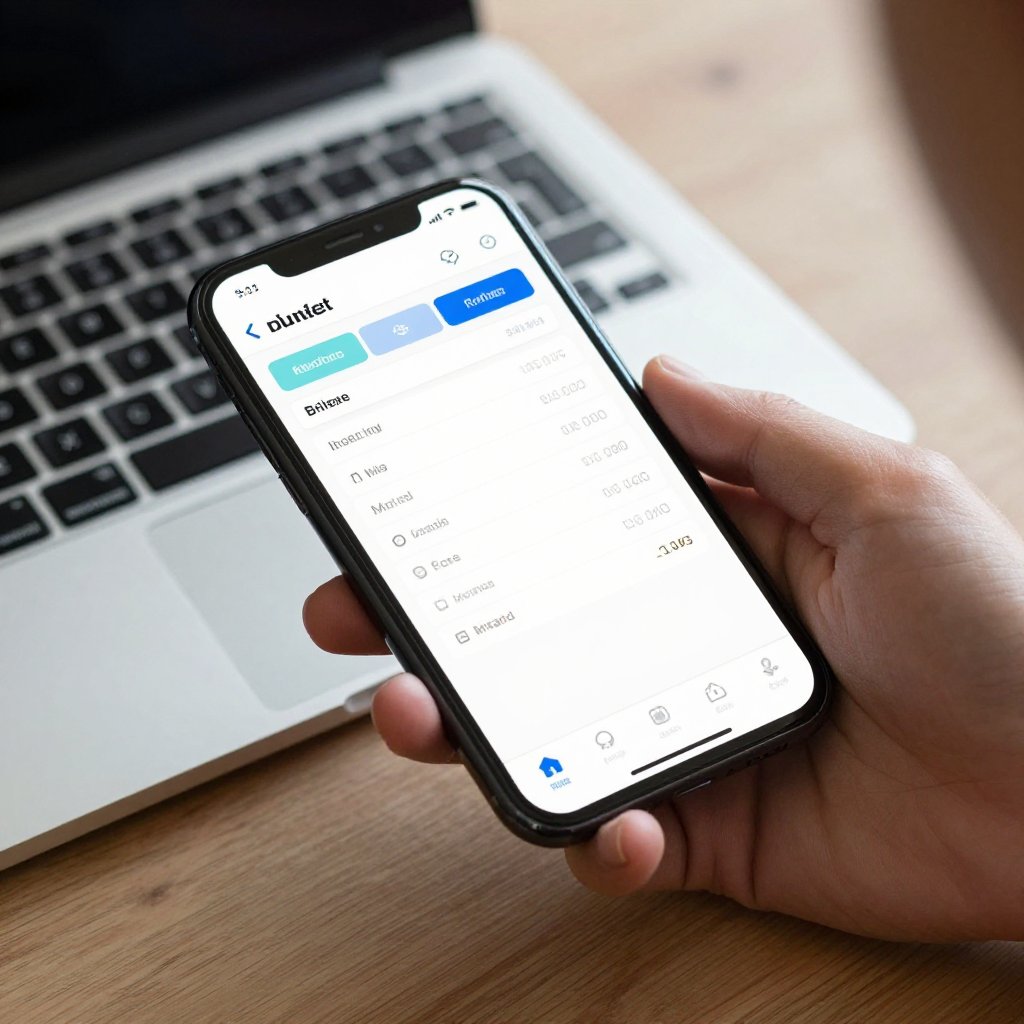
Paying off debt is only half the battle — staying debt-free is the real goal. Popular Canadian budgeting apps like Mint alternatives, YNAB, or even your bank's built-in tracking tools can help you spot spending leaks before they become new balances. Setting up automatic minimum payments ensures you never miss a due date and rack up late fees or damage your credit score.
Perhaps most importantly, start building an emergency fund — even $500 to $1,000 tucked away can prevent you from reaching for a credit card the next time your car needs a repair or your dog needs an unexpected vet visit.
Common Mistakes Canadians Make When Paying Off Credit Card Debt
I've seen (and made) a few of these mistakes myself over the years:
- Only paying the minimum — this barely touches the principal and lets interest keep compounding.
- Closing paid-off cards — this can shrink your available credit and hurt your credit utilization ratio, lowering your score.
- Ignoring promotional rate expiry dates — that 0% balance transfer offer will eventually jump to a much higher rate if the balance isn't cleared in time.
- Taking on new debt while repaying old debt — this defeats the purpose and can trap you in a cycle that's hard to break.
When to Seek Professional Help
Sometimes DIY strategies aren't enough, and that's okay to admit. If you're juggling multiple maxed-out cards, receiving calls from collection agencies, or feeling like you're constantly robbing one account to pay another, it may be time to bring in professional support. Nonprofit credit counselling agencies across Canada offer free or low-cost consultations and can help negotiate lower interest rates or set up a debt management plan.
For more serious situations, a Licensed Insolvency Trustee (LIT) can walk you through options like consumer proposals or, as a last resort, bankruptcy. These professionals are federally regulated and can provide honest, judgment-free guidance tailored to your specific financial picture.
Conclusion — Your Path to a Debt-Free 2026
Becoming debt-free isn't about finding a magic shortcut — it's about picking a strategy that fits your life, staying consistent, and adjusting as needed. Whether you lean toward the motivation of the Debt Snowball, the savings of the Debt Avalanche, or a balance transfer to buy yourself some breathing room, the most important step is starting today. 2026 doesn't have to be another year of watching interest eat away at your progress. With the right plan and a little patience, debt-free living is closer than it feels right now.