Responsible Gambling and Mental Health: How Canadian Bitcoin Casino Players Can Recognize Risk Factors and Protect Their Neurological Well-Being in 2026
Responsible Gambling and Mental Health: How Canadian Bitcoin Casino Players Can Recognize Risk Factors and Protect Their Neurological Well-Being in 2026
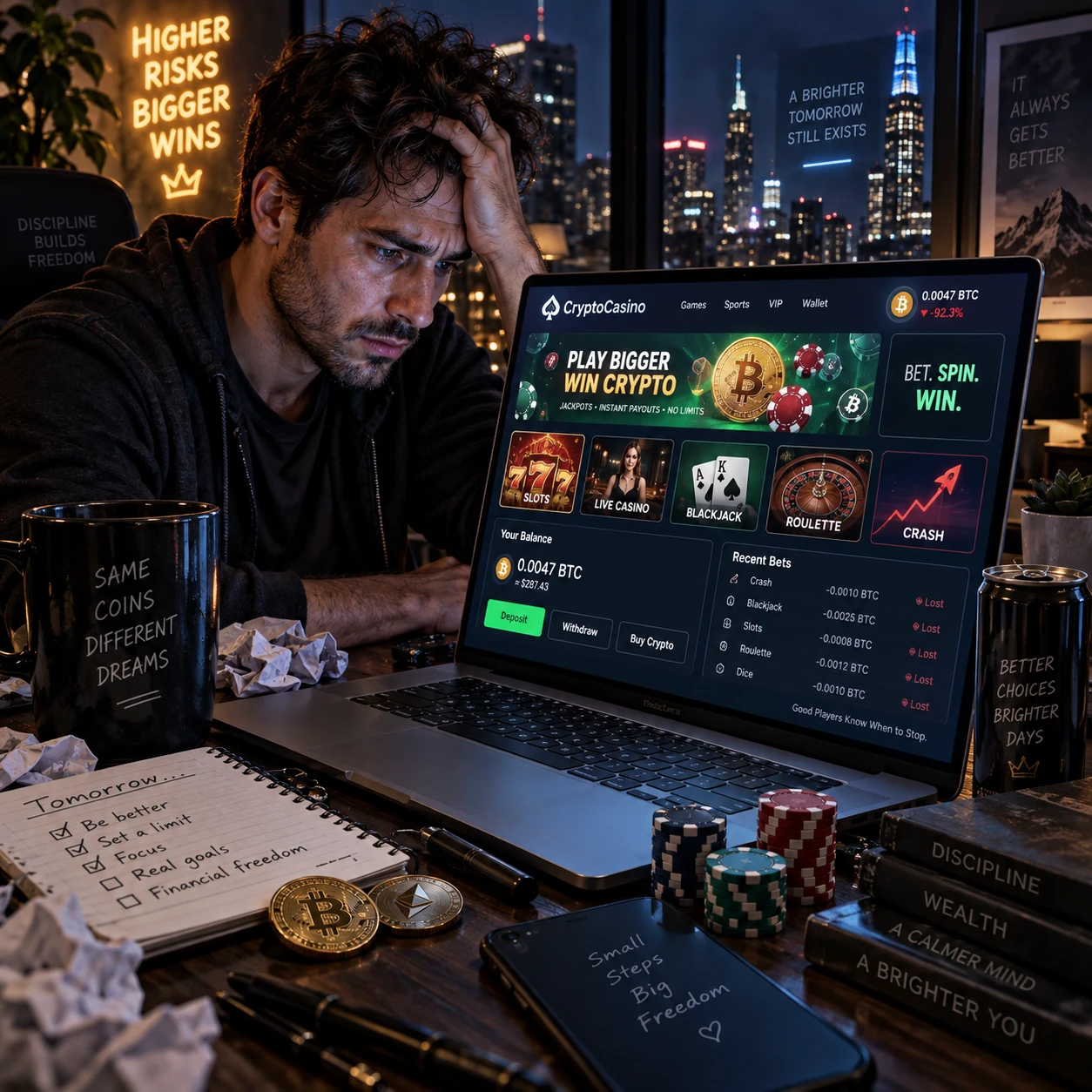
I've watched crypto gambling reshape Canada's betting scene faster than almost anything else in this space. By 2026, Bitcoin casinos aren't some fringe experiment anymore — they're mainstream, and honestly, it makes sense why. Instant deposits, real privacy, the ability to place a bet at 3 a.m. from your phone without a bank so much as blinking... it's genuinely convenient. But here's the part nobody wants to talk about much: that convenience carries a neurological and psychological cost. This piece is my attempt to break down what's actually happening in your brain when you gamble with crypto, how to catch the warning signs before they spiral, and what Canadian players can realistically do to protect their mental health.
Understanding Responsible Gambling in the Crypto Era
Responsible gambling, stripped down to basics, means setting limits before you start, sticking to them no matter what, and treating gambling as entertainment — not income. Simple enough on paper. But cryptocurrency platforms have quietly rewritten the rules. Traditional online casinos in Canada work within provincial regulatory frameworks: waiting periods, identity verification, bank transaction delays. All of it builds in natural pauses. Bitcoin casinos skip most of that friction entirely. Transactions settle in minutes, accounts open with barely any ID checks, and oversight from Canadian regulators is often thin or just... absent, since plenty of these platforms operate offshore.
Why Bitcoin Casinos Present Distinct Challenges
The exact features that make crypto casinos appealing are the ones chipping away at your self-control. Instant deposits and withdrawals mean there's no 'cooling off' moment — no pause where you might reconsider a bet. Pseudonymous accounts strip away the social accountability that comes with swiping a verified bank card. And because these platforms run around the clock on a global scale, there's no closing time. No natural end to a session unless you impose one yourself. It's a setup practically built for impulsive behavior to run wild.
The Neuroscience Behind Gambling Behavior
Gambling lights up the brain's dopamine reward system much like other high-stimulation activities do. What makes it so potent, though, is the variable-ratio reinforcement schedule — you never know exactly when the next win's coming, so your brain stays locked in anticipation mode. Near-miss outcomes (almost winning, but not quite) trigger dopamine responses nearly identical to actual wins, which is exactly why players stay engaged far longer than they meant to. In fast, borderless crypto environments, these reinforcement loops cycle quicker and more often, intensifying compulsive urges in a shorter window than traditional, slower-paced gambling ever could.
How Speed and Anonymity Affect Decision-Making
When friction disappears, so does a layer of natural risk assessment. Normally, your prefrontal cortex gets a window — however brief — to weigh consequences during the small delays built into traditional transactions. Remove those delays and you're basically gambling on autopilot, reacting emotionally instead of thinking anything through. Anonymity makes it worse by stripping away external accountability. Easier to rationalize 'just one more bet' when nobody else can see the pattern forming.
Recognizing Early Warning Signs and Risk Factors
Catching problematic patterns early makes a real difference — maybe the difference. A few behavioral and emotional red flags I'd push every Canadian player to watch for:
- Chasing losses by increasing bet sizes or frequency after a losing streak
- Secrecy around crypto wallet balances or hiding transaction history from family
- Disrupted sleep patterns tied to late-night betting sessions
- Spikes in anxiety or irritability connected directly to wins and losses
- Neglecting work, relationships, or financial responsibilities in favor of play
These signs tend to build slowly, which is exactly why they're so easy to brush off. If you've noticed a pattern where a bitcoin casino session leaves you mentally foggy, irritable, or just unable to concentrate afterward — that's worth taking seriously. Resources focused on neurological well-being can dig deeper into how these environments affect cognitive patterns and brain health over time, a perspective that's often missing from standard gambling advice.
Mental Health Comorbidities Linked to Crypto Gambling
Compulsive gambling rarely shows up alone. Anxiety, depression, sleep disorders — they tag along frequently with problem gambling, and crypto piles on an extra layer of stress through market volatility. Watching your Bitcoin balance swing in value while also tracking wins and losses at the casino creates a compounding psychological burden that traditional currency gambling just doesn't carry. That dual exposure to financial unpredictability can speed up the onset of mental health symptoms in players who might've otherwise handled recreational gambling just fine.
Protective Strategies for Canadian Players
There are concrete steps that actually help here. Self-exclusion programs — many available through Canadian provincial gambling authorities — let you block yourself from platforms for a set stretch of time. Setting hard deposit and time limits before you log in, not after you've already started playing, removes the temptation to bend the rules mid-session. I'd also strongly recommend keeping gambling funds in a separate wallet from your savings or investment crypto holdings. Call it 'cold-storage separation' — it builds a psychological and practical barrier that makes impulsive overspending a lot harder. And decide on a loss threshold before you ever place a bet. Treat that number as non-negotiable.
Using Canadian Resources and Support Networks
Canada's got solid infrastructure for gambling support, even if it hasn't fully caught up to crypto-specific needs yet. Provincial responsible gambling programs, the Canadian Problem Gambling Index resources, and helplines like ConnexOntario or the Centre for Addiction and Mental Health all offer confidential support. Some community groups have started addressing crypto-savvy gamblers specifically too, recognizing that this group often feels disconnected from traditional gambling messaging — the kind that assumes a slot machine or sportsbook context rather than a digital wallet.

When and How to Seek Professional Help
If gambling's affecting your relationships, finances, or your ability to function day-to-day — that's the point to seek professional help rather than trying to white-knuckle it alone. Cognitive behavioral therapy (CBT) has strong evidence behind it for treating gambling disorders, helping players identify and restructure the thought patterns fueling compulsive betting. Motivational interviewing is another solid approach, especially for people who feel ambivalent about changing their behavior. In some cases, neurological assessments add real value too — helping identify underlying brain-based vulnerabilities, like impulse control deficits, that make certain people more susceptible to compulsive gambling in the first place.
Building Long-Term Neurological Resilience
Protecting your brain isn't just about dodging gambling triggers. It's about building habits that support overall cognitive and emotional stability. Prioritizing consistent sleep hygiene helps regulate the same dopamine systems that gambling hijacks. Stress management — exercise, therapy, structured downtime, whatever fits — reduces the baseline anxiety that often pushes people toward high-stimulation escapes like gambling in the first place. Mindfulness practices, even just a few minutes a day, sharpen your ability to notice impulsive urges before you act on them. None of this is a quick fix. But over months and years, it genuinely shifts how resilient your brain is against compulsive patterns.
Conclusion
Bitcoin casinos offer real convenience, and I get the appeal completely — I really do. But the neurological risks baked into their speed, anonymity, and constant availability are different from what Canadian players have historically dealt with in regulated gambling environments. The good news? Awareness changes outcomes. Recognizing early warning signs, separating your gambling funds from your savings, using Canadian support resources, and seeking professional help when needed — these are all practical steps that protect both your finances and your mental health. As 2026 moves forward, I'd push every Canadian player engaging with crypto gambling to treat their neurological well-being with the same seriousness they'd give their financial security. Because the two are far more connected than most people realize.